
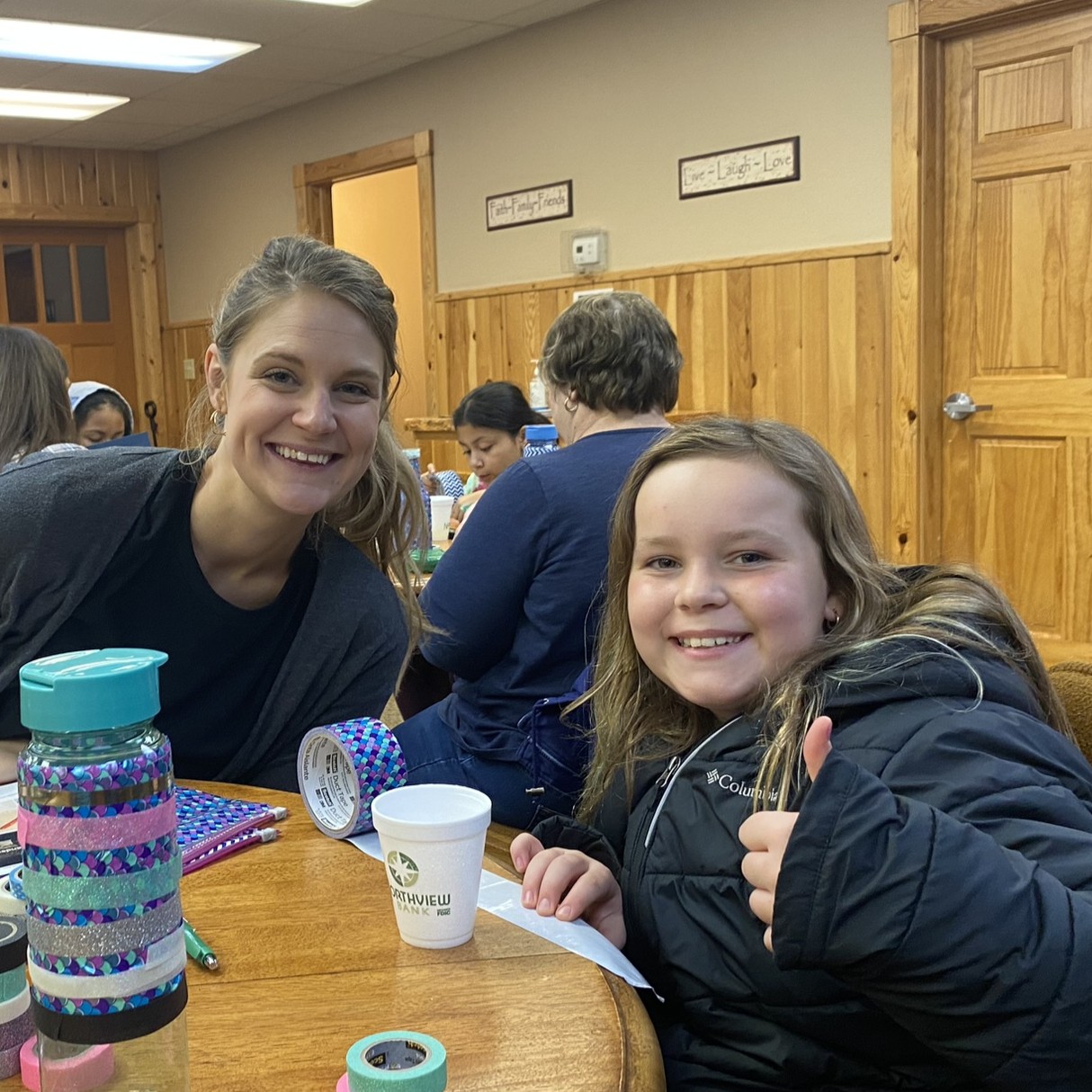
Have you ever had that feeling that someone truly believed in you? That someone, maybe a grandparent, a teacher, or a family friend, saw your potential before you even saw it yourself? That simple, powerful act of showing up is at the heart of Kinship. It’s not about complex lesson plans or advanced degrees; it’s about being present and letting a child know they matter.
We recently came across a fascinating article in the Stanford Social Innovation Review (SSIR), “
The article explores the concept of “Relational Intelligence” (RQ)—the deeply human ability to build trust, navigate tension, and create meaning with others. As artificial intelligence (AI) begins to transform our world, the author argues that RQ is emerging as the defining skill of our age. It’s the kind of intelligence that cannot be automated.
Real Relationships, Real Impact
The article begins with a heartwarming story from an elementary school in South Los Angeles, focusing on the powerful bond between a retired volunteer, Linda Ricks, and a fourth-grader, Celeste. This simple program, which pairs older adults with students, is a form of mentorship. And the results are compelling:
“Ms. Ricks believes in me. That makes me believe in me.” — Celeste, fourth-grader
This quote perfectly captures the essence of Kinship’s work in Park Rapids. It’s not about grand gestures; it’s about the consistent, nurturing relationships that can spark a child’s belief in themselves.
The SSIR article notes that classrooms with these relational programs have seen increased reading scores, improved student behavior, and even enhanced well-being and sense of purpose for the volunteers themselves. The research is clear: human connection is not just a “soft” asset; it is a foundational requirement for learning, resilience, and happiness.
The Problem: A “Relational Recession”
The article doesn’t shy away from the challenges we face. It warns of a “relational recession,” noting that while we are more “connected” than ever via technology, our capacity for genuine relationship is eroding. U.S. Surgeon General Dr. Vivek Murthy has even declared loneliness a public health epidemic.
This disconnection starts early, with children experiencing fewer face-to-face interactions and increased screen time. The consequences are real, from developmental delays in young children to lower academic performance and mental health struggles in teenagers. In a particularly poignant observation, the author points out how people are turning to AI companions for friendship and empathy, a clear sign of the growing void in human connection.
The Solution: A Relational Renaissance and Kinship Mentoring
To counter this, the author calls for a “Relational Renaissance”—an intentional effort to build “relational infrastructure” where human connection is the default, not the exception. This means designing our schools, workplaces, and communities with relationships at the center.
The article recommends several key steps, and we were thrilled to see how many of them align perfectly with the core mission of Kinship of the Park Rapids Area:
-
Fund Relational Infrastructure Innovation: Kinship is that infrastructure, a proven model of mentorship that strengthens the connective tissue of our local community.
-
Redesign for Connection: The article emphasizes the power of multi-generational settings. Our programs do exactly this, creating “relationship-rich public spaces” where adults can connect with children to build trust and mutual growth.
-
A Call to “Just Show Up”: The article concludes with a powerful reminder. A mentor in the program said, “I just show up. And sometimes, that’s enough.” This is the essence of our Kinship program. You don’t need special skills—you just need the willingness to be present and to care.
The Takeaway: Your Call to Action
The message from the SSIR article is unambiguous: in a world where machines are getting smarter, we must invest in what makes us truly human—our capacity for deep, nurturing, and meaningful relationships.
You have that capacity. And in Park Rapids, there is a child who needs you to “just show up.”
Consider becoming a Kinship mentor. Your presence can be the catalyst that helps a child “believe in themselves.” It’s not a complicated or time-consuming commitment, but the impact is immeasurable—both for the child and for you.
Start your journey of connection today. Visit our Get Involved page,