
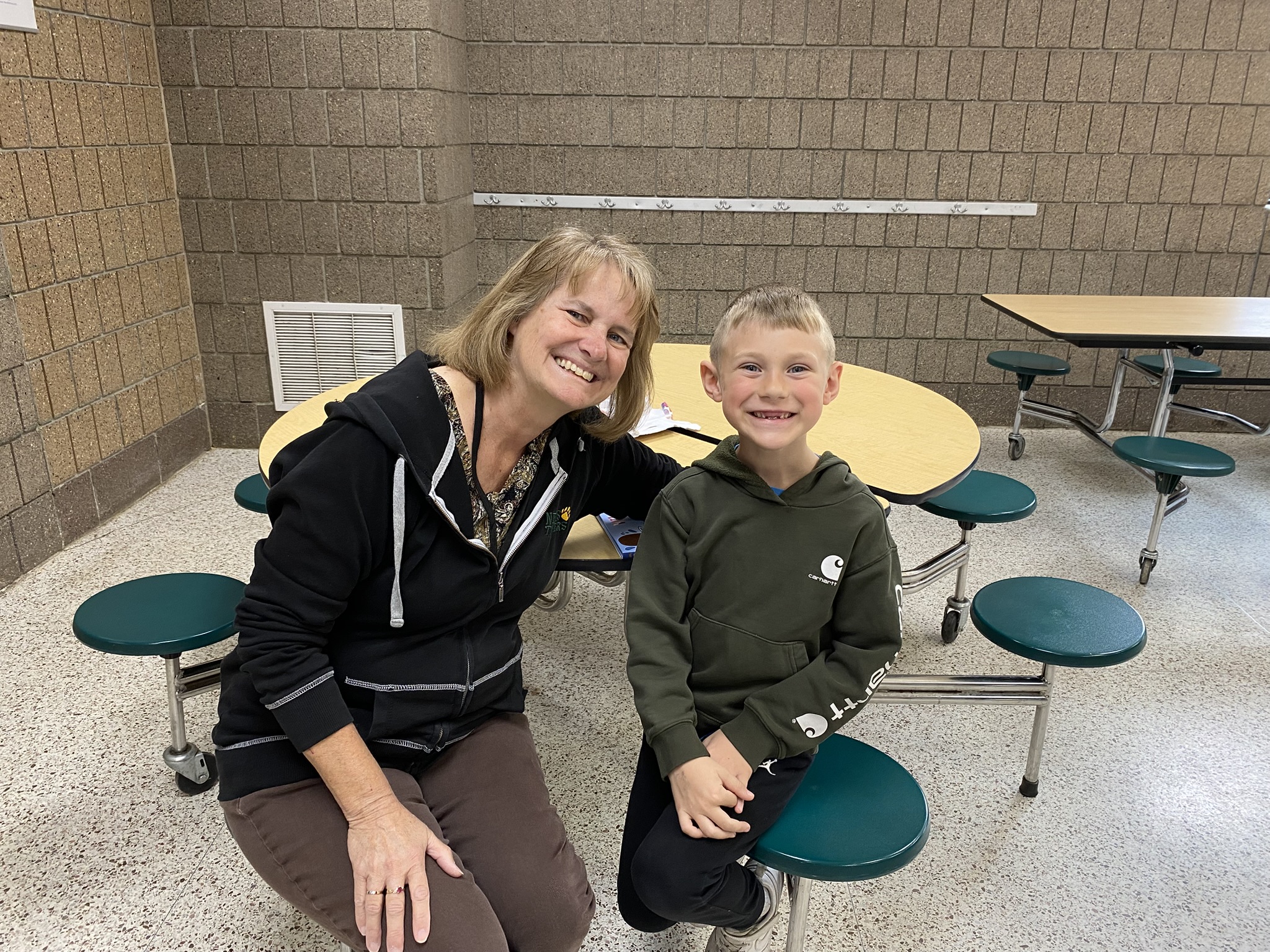
As a new school year gets underway, backpacks are packed, schedules are set, and local students are settling into their classrooms across the Park Rapids area. This season brings a fresh start, fresh energy, and a clean slate. It is the ideal time to talk about one of the most powerful tools a young person can develop for academic and life success: goal setting.
Whether a child dreams of bringing up a grade in math, making a sports team, improving their reading confidence, or simply feeling more organized each morning, having clear goals gives them direction. But setting goals isn’t something youth naturally know how to do on their own—and staying the course requires support.
Mentors, parents, guardians, teachers, and trusted adult role models play a vital role in helping youth turn big dreams into manageable steps. Here is how you can guide the young people in your life toward meaningful achievement this school year, hold them accountable with empathy, and help them unlock their full potential.
1. Ground Goals in What Matters to Them
The biggest mistake adults make with goal setting is choosing the goal for the youth. A goal dictated by an adult (“You need to get an A in science”) rarely inspires internal motivation.
Instead, start by asking open-ended questions to uncover what the youth actually wants to improve or achieve:
-
What is one thing about school you’d like to feel better about this term?
-
If you could master one skill by winter break, what would it be?
-
What feels hard right now, and how can we make it easier?
When youth take ownership of their goals, they internalize the drive to accomplish them. As adults, our job is to listen, help refine their ideas, and validate their aspirations.
2. Make Goals SMART (and Bite-Sized)
Vague goals lead to vague outcomes. “I want to do better in school” is a great wish, but it doesn’t provide a roadmap. Guide your mentee or child to translate big ideas into SMART goals:
| Goal Element | What It Means | Example for Students |
| Specific | Clear and well-defined | “I will turn in all my homework on time.” |
| Measurable | Trackable progress | “I will check off my assignment planner every day.” |
| Achievable | Realistic for their current level | Going from a C to a B- rather than an instant A+. |
| Relevant | Matters to their personal success | Helps them feel less stressed before tests. |
| Time-Bound | Has a clear timeframe | “For the next four weeks.” |
Big goals can feel overwhelming, especially for kids who already feel behind. Break larger objectives down into micro-steps. If the goal is writing a major paper, the first goal might simply be writing the outline by Tuesday.
3. The Power of Accountable Support (Without Preaching)
Setting a goal is the easy part; sticking to it when school gets busy or challenging is where youth need adults the most. Accountability isn’t about punishment or policing—it is about consistent check-ins, encouragement, and problem-solving together.
Strategies for healthy accountability:
-
Establish Routine Check-ins: Dedicate a specific, low-stress time each week to review progress—like over ice cream, during a weekend walk, or during a weekly mentor match meetup.
-
Focus on Process Over Outcome: Praise effort, consistency, and strategy rather than just the final grade. Celebrate when they stick to their study schedule, regardless of a single quiz score.
-
Normalize Roadblocks: When a hurdle occurs, avoid frustration. Ask: “What got in the way of your plan this week?” and “What can we adjust for next week?” This teaches resilience and critical thinking.
4. Model Goal Setting in Your Own Life
Youth learn far more from what we do than what we say. Share your own goals with the young people in your life. Let them see you tracking progress, celebrating small wins, and handling setbacks with patience. When adults admit when something is tough and demonstrate perseverance, youth realize that struggling is just a normal part of growth.
Be the Difference: Become a Mentor Today
Every young person deserves a champion—an extra adult in their corner who cheers on their successes, helps them map out their dreams, and holds them accountable to their own potential. While parents and teachers work hard every day, having a dedicated mentor offers youth a unique, non-judgmental space to build confidence and navigate school and life.
At Kinship of the Park Rapids Area, we see firsthand how a positive mentor dynamic transforms a student’s academic performance, self-esteem, and outlook on the future.
Right now, local youth in our community are waiting for someone like you to step up. You don’t need a degree in education or hours of extra time—you just need a willingness to show up, listen, and encourage a young person as they work toward their goals.
Ready to help a local youth find success in school and beyond?
Visit kinshipparkrapids.org today to learn more about becoming a mentor, or reach out to our team to start your journey. Just a couple of hours a week can change a young person’s life forever.