
When you think about the skills needed to be a great mentor, what comes to mind? Patience? A friendly smile? A willingness to shoot hoops, bake cookies, or help with homework?
While all of those are wonderful parts of the mentoring journey, there is a deeper layer to building a truly transformative relationship with a young person. It comes down to communication—knowing how to listen, how to ask the right questions, and how to empower youth to discover their own potential.
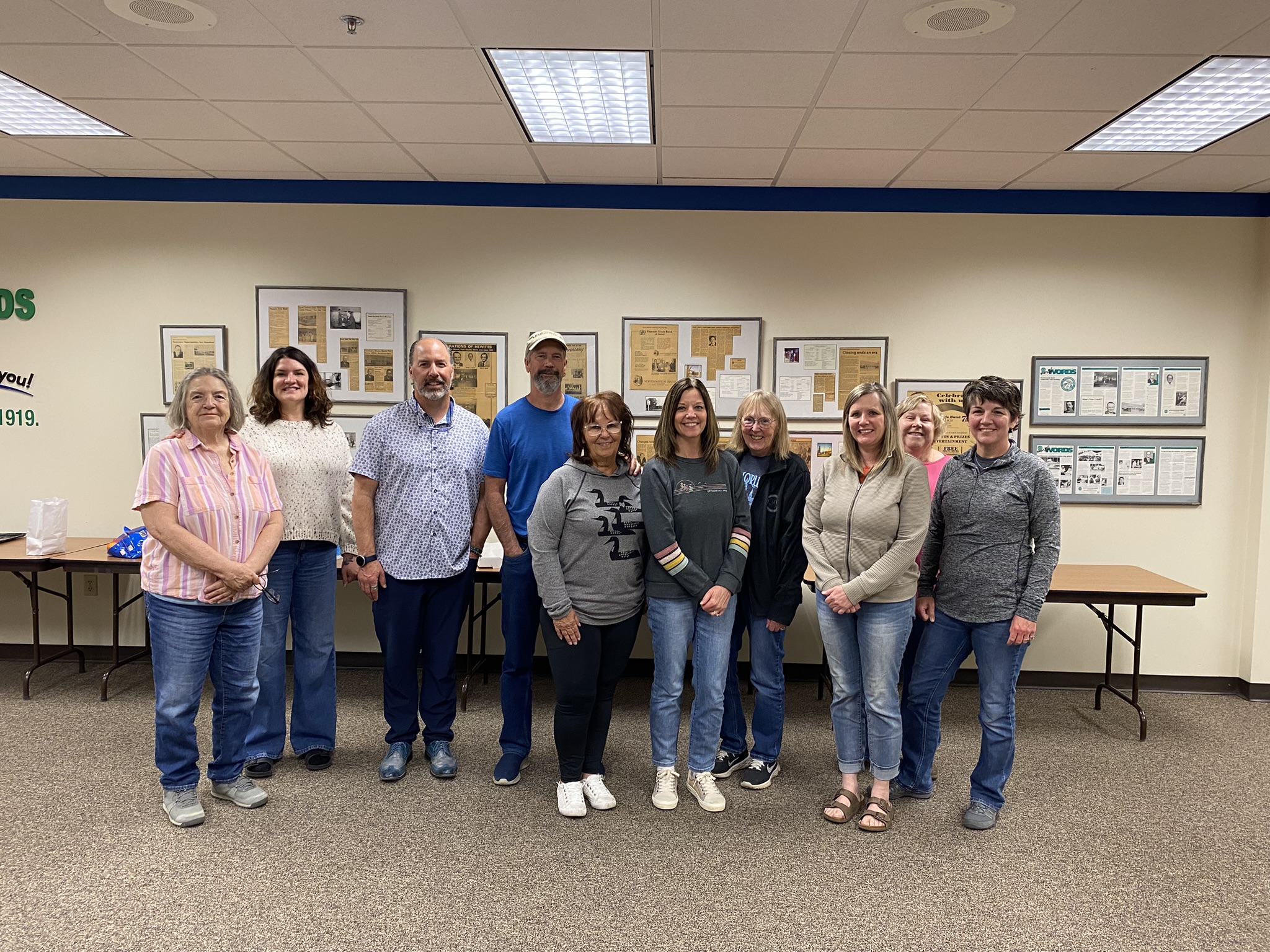
Recently, several of our dedicated Kinship mentors took a powerful step forward in their mentoring journeys. They gathered for an intensive training session in Motivational Interviewing (MI) led by the fantastic Scott Nygaard of Legacy Group, LLC. It was an incredible, hands-on experience that went far beyond mere lecturing. Our mentors didn’t just learn about Motivational Interviewing; they stepped into the arena and actively practiced these life-changing communication skills.
The experience left us inspired, energized, and deeply convinced of just how valuable MI is for mentors, volunteers, and anyone looking to make a meaningful difference in the Park Rapids community.
What is Motivational Interviewing?
At its core, Motivational Interviewing is an evidence-based, collaborative conversational style. Instead of telling a young person what to do, giving unsolicited advice, or lecturing them on behavior changes, MI is designed to spark a person’s internal motivation. It utilizes specific, open-ended questioning, reflective listening, and affirmation to help individuals explore and resolve their own ambivalence about change.
In a mentoring context, this is absolute magic. When a youth is struggling with school, navigating peer pressure, or trying to make positive choices, a mentor trained in MI doesn’t swoop in to “fix” the problem. Instead, they guide the conversation in a way that allows the mentee to voice their own arguments for positive change. It honors the youth’s autonomy, builds their self-confidence, and strengthens the trust between mentor and mentee.
Learning a Skill is Like Learning a Language
One of our biggest takeaways from Scott Nygaard’s training was a profound truth about how we communicate: Motivational Interviewing is a skill that must be practiced. You wouldn’t expect to pick up a guitar for the first time and instantly play a flawless concerto. You wouldn’t expect to read a textbook on French and immediately speak it fluently on the streets of Paris. Communication is no different. It is a muscle.
Many of us have default patterns of talking. We want to solve problems quickly, so we jump straight into “fixing mode” or advice-giving. Shifting away from that instinct and moving toward a reflective, patient MI approach takes time, intentionality, and a lot of repetition. It requires practicing the art of the open-ended question, mastering the pause, and learning how to reflect back what a young person is feeling rather than just what they are saying.
Our mentors spent their training doing exactly that: practicing, making mistakes, adjusting, and trying again. And the beautiful thing about MI is that it isn’t just for formal mentoring sessions. We want to encourage everyone in our community to practice these empathetic communication skills in their daily lives—with your spouses, your children, your coworkers, and your neighbors. Imagine how much stronger our community would be if we all practiced the art of truly listening to understand, rather than just listening to reply.
Dive into the Resources Yourself
Whether you are already volunteering, thinking about getting involved, or simply want to sharpen your own communication skills, there are fantastic tools available to help you.
We highly recommend checking out this amazing, free resource: MENTOR’s Motivational Interviewing for Mentors Toolkit. Developed in partnership with the Youth Empowerment in Schools and Systems (YESS) Lab at the University of South Carolina, this toolkit offers free online training modules, refresher videos, and brief guides designed specifically to help mentors master this conversational style on their own. It is an invaluable asset for anyone looking to foster deeper connections with youth.
You Are Supported Every Step of the Way
If you’ve ever thought about volunteering with youth but felt held back by a voice whispering, “What if I don’t know what to say?” or “What if I’m not equipped to handle their struggles?”—we want to reassure you.
At Kinship, you are never thrown into a mentoring relationship empty-handed. We believe that to be a successful mentor, you need a strong foundation. That’s why we are deeply committed to providing our volunteers with continuous, high-quality professional development, resources, and hands-on workshops like our recent session with Legacy Group, LLC.
When you become a Kinship mentor, you join a supportive family. We equip you with the tools, the peer network, and the training you need to feel confident and successful. You bring the heart and the time; we will help you build the skills.
Make a Difference in Park Rapids: Become a Mentor
Are you looking for meaningful volunteer opportunities in Park Rapids, MN? Are you searching for Hubbard County youth programs where you can make a tangible, lasting impact?
There are young people right here in our community waiting for a supportive adult to walk alongside them. By giving just a few hours a month, you can change the trajectory of a local child’s life.
We invite you to explore how you can get involved. Visit our website at kinshipparkrapids.org to learn more about our local mentoring programs, read stories of match successes, and fill out a mentor application.
Let’s work together to build a stronger, more connected Park Rapids—one conversation, and one relationship, at a time.