
When most people think about youth mentoring, they imagine a simple, one-on-one picture: a mentor and a young person sharing an afternoon, working on a project, or talking over ice cream. While that core bond is invaluable, effective mentoring extends far beyond a single relationship.
Chapter 12 of MENTOR’s manual Becoming a Better Mentor: Strategies to Be There for Young People, written by Dr. Sarah Schwartz, highlights a powerful concept in youth development: Expanding Networks of Support. Rather than trying to be a young person’s only source of guidance, an impactful mentor serves as a connector and a bridge builder. By helping youth identify, build, and navigate a web of supportive relationships across their school, neighborhood, and wider community, mentors equip them with social capital and lifelong connections.
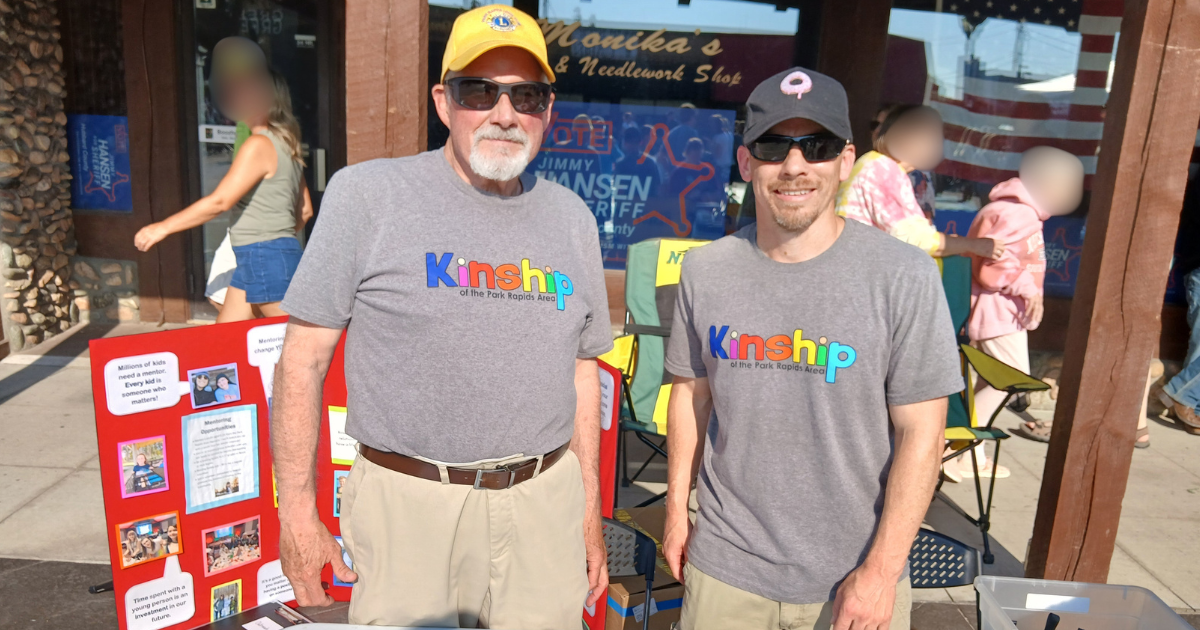
At Kinship of the Park Rapids Area, this web of support is central to our mission.
Why One Caring Adult Is Just the Beginning
It is often said that every child needs at least one caring adult in their life. But as young people navigate school choices, personal interests, career exploration, and the ups and downs of growing up, relying on just one person isn’t always enough.
Chapter 12 explains that young people thrive when they possess social capital—the resources, guidance, advice, and emotional backing that come through a diverse network of relationships. Mentors are uniquely positioned to help youth expand these connections.
A mentor acts as a social connector by:
-
Identifying Existing Allies: Helping young people recognize adults they already know—such as teachers, extended family members, coaches, or neighbors—who can offer support or encouragement.
-
Bridging New Connections: Introducing youth to community members, local professionals, or hobbyists who share their specific interests.
-
Building Recruitment Skills: Teaching youth how to advocate for themselves and reach out to adults when they need help, advice, or guidance.
When a mentor acts as a bridge rather than a destination, the young person gains a broad foundation of support that outlasts any single formal program.
What Support Networks Look Like in the Park Rapids Area
In a close-knit community like Park Rapids, expanding a young person’s web of support comes naturally—and makes a lasting difference.
Consider what happens during a typical Kinship match:
-
Local Community Connections: A mentor and youth might visit a downtown Park Rapids, participate in Chamber events, or attend Park Rapids High School football game. Along the way, the young person meets community members, community leaders, and volunteers, helping them feel rooted and connected to Park Rapids.
-
Shared Group Adventures: Through Kinship’s monthly group activities—whether it’s a day at Carter’s Farm, a trip to a BSU hockey game, or a gathering at Pizza Ranch—mentees connect with other youth, mentors, and program supporters.
-
Educational & Reading Programs: Programs like Reading Buddies at Century School and Nevis Elementary introduce young students to multiple caring adults in an educational setting, reinforcing literacy and positive adult interactions early on.
By connecting youth to wider community circles, mentors help them realize how many people in Park Rapids are in their corner.
Practical Ways Mentors Expand a Mentee’s World
If you are currently a mentor—or considering stepping into the role—here are key strategies from Chapter 12 on how to help a young person build their network:
1. Map Their Web of Support
Sit down with your mentee and draw a simple “web” or circle map. Place the young person in the center and map out the adults in their life: family members, teachers, coaches, program coordinators, and family friends. Identify where they feel supported and where there might be gaps.
2. Connect Around Their “Sparks”
Pay attention to what excites your mentee. If they love robotics, art, fishing, or carpentry, help them connect with local groups or community members who share those passions. Introducing them to people in those fields validates their interests and opens new doors.
3. Teach Self-Advocacy
Help youth practice asking for support. Roleplay how to ask a teacher for extra help after class, how to talk to a coach about a goal, or how to reach out to a community leader. Building these communication skills fosters lifelong independence and self-advocacy.
Step Up and Make a Difference with Kinship
Mentoring isn’t about having all the answers or solving every problem yourself. It’s about showing up consistently, caring deeply, and helping a young person discover all the potential and support available to them in our community.
Our dedicated mentors at Kinship of the Park Rapids Area do incredible work every day, helping local youth feel valued, capable, and connected. But there are always more children waiting for a mentor to step into their lives.
How You Can Get Involved:
-
Become a Mentor: Offer a few hours a month to guide, encourage, and connect with a local youth.
-
Spread the Word: Share this post with friends, family, or colleagues in the Park Rapids area who would make great mentors.
-
Support Our Programs: Visit kinshipparkrapids.org to learn more about our one-on-one matches, group activities, and Reading Buddies initiatives.
Together, we can build a stronger, more supportive network for every child in the Park Rapids area.