
The Quiet Power of Showing Up: How Mentors Change Everyday Moments
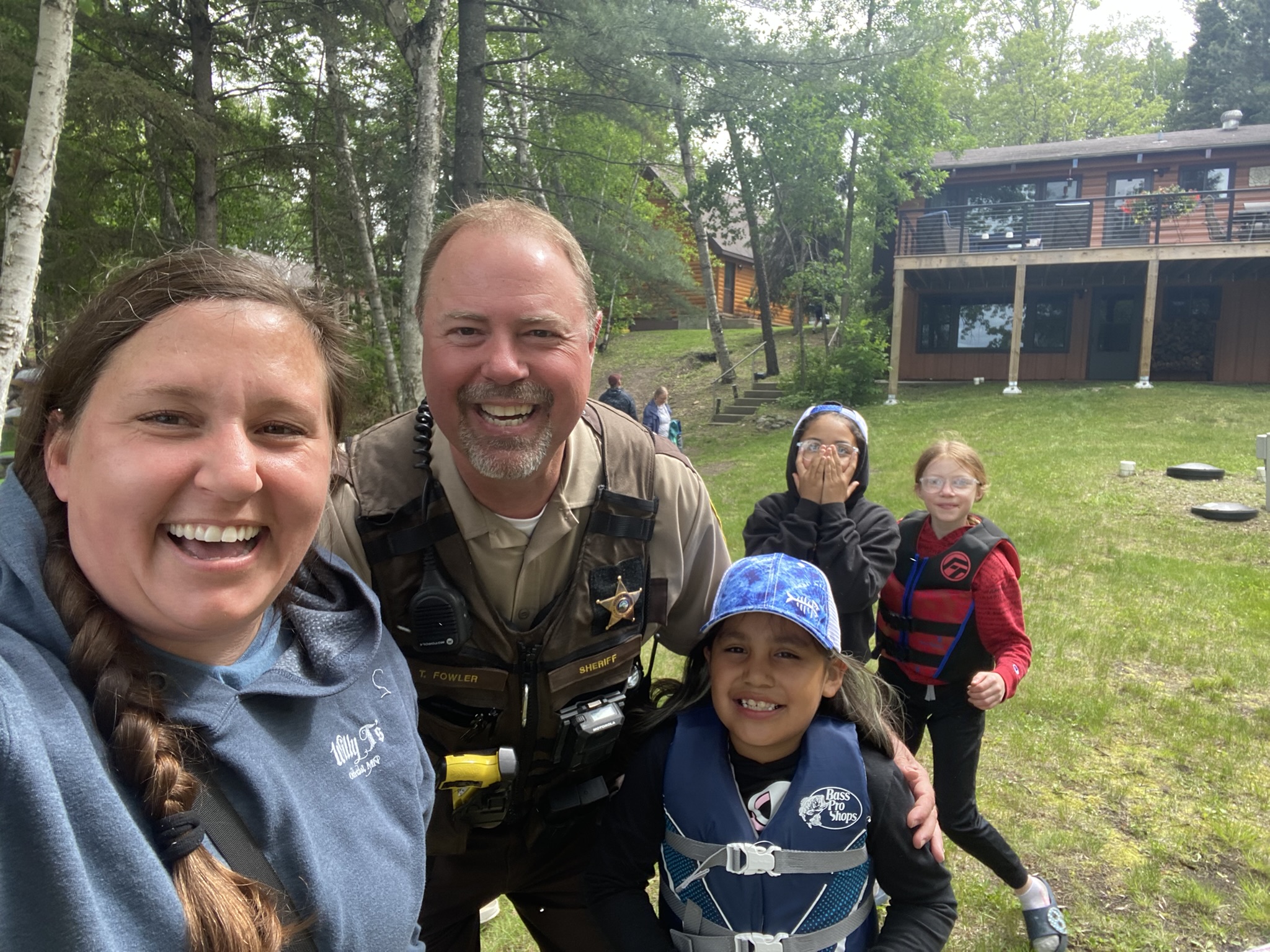
Mentoring doesn’t always look like a big, dramatic moment. Most of the time, it looks like everyday life: playing a board game, running errands together, grabbing ice cream after school, or sitting in the bleachers at a game. Those small, steady moments add up—and for a young person, they can make an incredible difference.
At Kinship Park Rapids, we see this quiet power of showing up again and again. When a mentor chooses to be present week after week, they send a message that every child needs to hear: “You matter. I see you. I’m here for you.”
The Benefits for Kids
Mentoring relationships are built on simple things: time, attention, and trust. But the impact reaches far beyond those weekly meet‑ups.
- Increased confidence. Kids who have a consistent, caring adult in their corner often begin to believe in themselves more. They try new activities, speak up in class, or take on challenges they used to avoid, because someone they trust believes they can do it.
- A sense of belonging. Many of the youth in our program are navigating big changes—school transitions, family stress, or just the normal ups and downs of growing up. Having a mentor gives them one more safe place where they feel accepted and heard.
- Healthier choices. Research shows that mentored youth are more likely to make positive choices and less likely to engage in risky behaviors. When a young person knows someone will ask how their week went—and really listen—it can influence the decisions they make.
These benefits don’t come from one big outing or a single perfect conversation. They grow slowly, through ordinary time together.
The Benefits for Mentors
What often surprises new mentors is how much they get out of the relationship too.
- Fresh perspective. Spending time with a young person opens your eyes to what kids and teens are facing today—their challenges, their creativity, and their strengths.
- Joy in simple things. Many mentors say that time with their mentee helps them slow down and enjoy small moments again, whether that’s fishing off the dock, baking cookies, or laughing over a shared joke.
- Connection to community. Mentoring is a concrete way to invest in the next generation right here in the Park Rapids area. You’re not just supporting one child—you’re strengthening families, schools, and the wider community.
Mentors often tell us, “I signed up to help a kid, but I didn’t realize how much this would mean to me, too.”
What Makes a Great Mentor?
You don’t have to be a perfect person or have a special degree to be a great mentor. In fact, some of the most important qualities are very simple:
- Willingness to show up consistently
- A listening ear
- Patience and a sense of humor
- Openness to learning alongside a young person
You don’t have to plan elaborate outings every week. Many of our most successful matches spend time doing everyday activities: homework, hobbies, sports, crafts, or just talking.
What matters most is showing up.
The Impact Over Time
When you look back over months or years of a mentoring relationship, you often see how those small moments add up:
- A child who was once shy now greets you with a big smile.
- A teen who struggled in school is proud to share a good grade.
- A young person who didn’t always feel heard now knows there’s at least one adult who listens closely.
These are the quiet victories of mentoring. They don’t always make headlines, but they absolutely change lives.
How to Get Involved
If you’ve ever wondered whether you could make a difference in a child’s life, mentoring is a powerful way to start.
You can learn more about becoming a mentor—or about getting a young person connected to a mentor—on our website:
- Visit https://kinshipparkrapids.org/ to read about our program, see what mentors do, and start the application process.
Your time, your presence, and your willingness to show up could be exactly what a young person in our community needs.